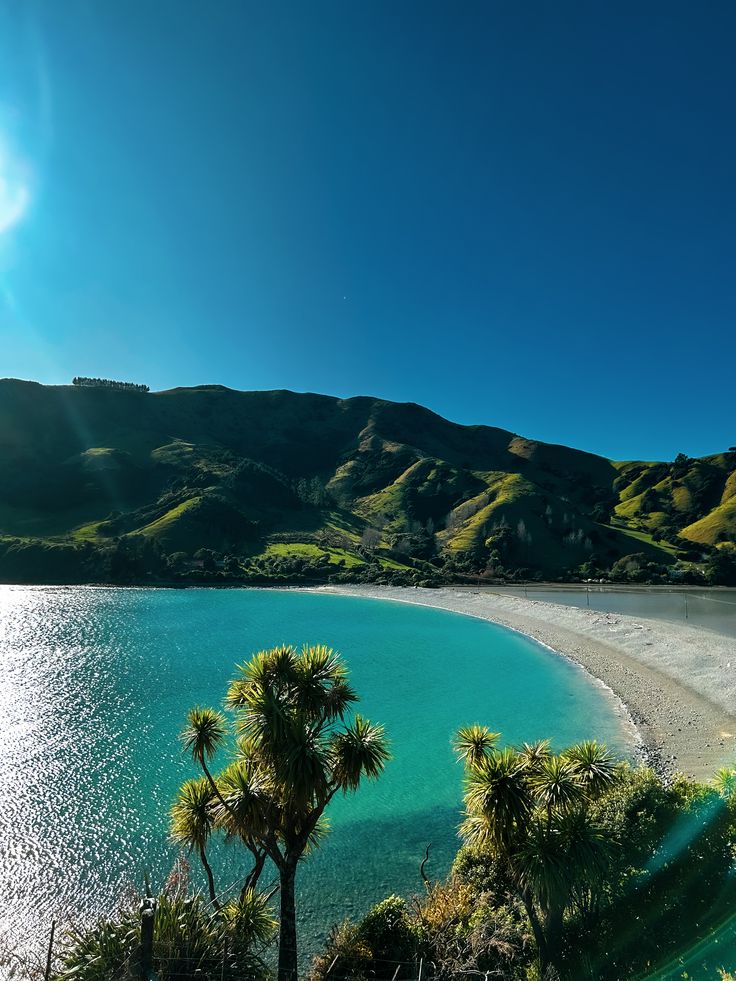
The Marlborough Sounds are unlike anywhere else in New Zealand. A drowned river valley system at the top of the South Island, the Sounds are a maze of sheltered inlets, forested ridgelines, and tiny settlements accessible only by boat or unsealed road. For a self-contained 4WD setup, this is dream territory. Most visitors stay in Picton or Blenheim and see the Sounds from a ferry deck. With the Kohi Campers fleet you can get properly inside them.
Getting there
The Marlborough Sounds are most commonly reached via the Interislander or Bluebridge ferry from Wellington to Picton. Book the ferry well in advance in summer — the crossing takes around three hours and the Tory Channel entrance into the Sounds is one of the most scenic ferry approaches in the world. Picton is your arrival point and base for exploring the region.
Alternatively fly into Blenheim and collect there — worth discussing with the team if you’re planning a one-way South Island trip.
Where to camp
The Sounds offer some of New Zealand’s most spectacular freedom camping for self-contained vehicles. Check CamperMate and the Marlborough District Council website for current sites:
- Anakiwa — at the southern end of the Queen Charlotte Track, waterfront, stunning
- Moenui Bay — off the Kenepuru Road, almost no one goes here, complete wilderness feel
- Okiwi Bay — Pelorus Sound, black sand beach, one of the best spots in the South Island
- Havelock foreshore — the green-lipped mussel capital of the world, camp right in town and eat your body weight in fresh mussels
What to do
Queen Charlotte Track — one of New Zealand’s Great Rides and Great Walks, the 73km track runs along the ridge between Queen Charlotte Sound and Kenepuru Sound. You don’t need to do all of it — the section from Anakiwa to Mistletoe Bay is spectacular and achievable in a day. Water taxis run from Picton to various points along the track.
Kenepuru Road — one of the great unsealed drives in New Zealand. The road winds for over 60km along the ridge above Kenepuru Sound with views that stop you in your tracks. The Ranger handles the surface comfortably. Allow a full day and stop constantly.
Pelorus Bridge Scenic Reserve — native forest and clear green swimming holes on the Pelorus River. Famous as a filming location for The Hobbit. A perfect afternoon stop on the drive from Nelson.
Marlborough wine region — Blenheim sits at the southern edge of the Sounds and is the heart of New Zealand’s wine country. Self-guided winery cycling tours are excellent — leave the Ranger at camp and use two wheels for the afternoon. Cloudy Bay, Brancott Estate, and Framingham are all worth a stop.
Havelock green-lipped mussels — drive into Havelock and eat at the Mussel Pot restaurant. Fresh green-lipped mussels steamed in white wine. Non-negotiable.
French Pass — the far western reach of the Sounds, accessed via a dramatic and narrow unsealed road. A tidal race runs through the pass at up to 8 knots and dolphins are regularly spotted. One of the most remote and rewarding drives in the top of the South Island. 4WD recommended.
Best time to visit
The Marlborough Sounds are genuinely good year-round. Summer brings long evenings and warm water for swimming off the beach at your campsite. Autumn is outstanding — the vineyards turn golden, the tourist season ends, and the light on the Sounds in April and May is exceptional. Winter is quiet and mild by South Island standards, and the track riding and driving are still excellent.
Practical notes
- The Kenepuru Road and routes to remote bays are unsealed and in places narrow — the Ranger is ideal, take your time
- Ferry bookings in peak summer need to be made weeks or months in advance — sort this early
- Picton and Havelock have good supermarkets. Beyond that, stock up before heading into the Sounds
- Mobile coverage is very limited on the Kenepuru Road and non-existent at many of the remote camping spots — download offline maps and let someone know your itinerary
Suggested itinerary — 5 nights
| Day | Route |
|---|---|
| Day 1 | Wellington to Picton ferry. Arrive afternoon. Camp Anakiwa. |
| Day 2 | Queen Charlotte Track section, Anakiwa to Mistletoe Bay. Back to camp. |
| Day 3 | Drive Kenepuru Road. Camp Moenui Bay or Okiwi Bay. |
| Day 4 | Pelorus Bridge swim stop. Drive to Havelock. Mussels. Camp foreshore. |
| Day 5 | Day trip to French Pass. Return to Havelock or Picton. |
| Day 6 | Blenheim wine region morning. Afternoon ferry back to Wellington. |
Ready to explore the Marlborough Sounds? Check availability →